
Great books have always had a way of making us laugh and cry. For years, those emotional rollercoasters lived unobserved in bedrooms, on long flights or on a random park bench. Then BookTok showed up in 2020 and suddenly we were all watching strangers analyse and summarise a book online and fall back in love with reading. And with that came a renewed urge to step into the real‑life places behind our favourite stories.
Today, dearest gentle reader, we set off to explore the real-life settings behind some of the titles that have captured the BookTok imagination. Welcome to the world of literary travel.
Jump to:
Plotting the modern literary pilgrimage
Book lovers have been tracing the footsteps of their favourite characters long before TikTok turned reading into a global spectator sport. In the days when a paper map was the height of travel tech, readers could simply point themselves toward Baker Street in the hope of spotting Sherlock Holmes, or at least Mrs Hudson, never mind that both were figments of Conan Doyle’s imagination.
Even earlier, Shakespeare fans were making the trip to Stratford‑upon‑Avon, and by the late 19th century the Brontë sisters had unintentionally turned the nondescript village of Haworth into a tourist magnet. Readers wandered up to the parsonage and roamed the Yorkshire moors, caught up in their raw beauty.
Across the Irish Sea, James Joyce’s Dublin inspired walking routes, connecting travel and literature, well before Bloomsday became an official celebration, and across the Atlantic, 20th‑century readers were trekking to Key West for Hemingway, Monterey for Steinbeck and Oxford, Mississippi for Faulkner.
By the late 20th century, literary tourism had become a blockbuster genre in its own right. The Harry Potter kids, Twilight’s brooding vampires and the adrift heroine of Eat, Pray, Love all sent fans around the world in search of a deeper connection to their favourite characters. BookTok hasn’t reinvented the impulse so much as accelerated it, giving a new generation permission to follow the plot wherever it leads.
Not on TikTok? No problem. Welcome to Avani Book Club
Not every reader takes their cues from TikTok’s recommendations. Many still swear by Oprah’s picks, a trusted bookseller or the wine-soaked clamour of a neighbourhood book club. Yet even the most analogue of bibliophiles can appreciate how BookTok has nudged literary travel into the mainstream. Enter Avani Book Club, launched with a simple premise: pair great books with great places.
Designed for readers and travellers who want stories that make them feel a little closer to the place they're in, the Avani Book Club brings together a curated list of destination-led reads that spotlight local authors and the landscapes that shaped them. Guests are invited to borrow a book during their stay, then slow down and let the reading unfold alongside the journey itself. The idea taps into something the latest Minor Hotels Travel Trends Report confirms, with over a third of respondents (37%) consistently carving out time alone during trips, even when travelling with others.
The Avani Book Club arrives at a fitting moment, as technology and AI become an even bigger part of daily life. As a result, more people (71%) are now seeking a break from technology, social media or work during their travels. Whether through reading a good book or being surrounded by nature, alone time is essential for resetting and an important part of relaxation.
Dublin: in the footsteps of Rooney’s restless hearts
Dublin has always been a city where stories spill out onto the streets. Every June, Bloomsday turns the whole place into a love letter to Joyce, with fans in straw boaters reading Ulysses aloud and following Leopold Bloom’s trail from pub to pub.
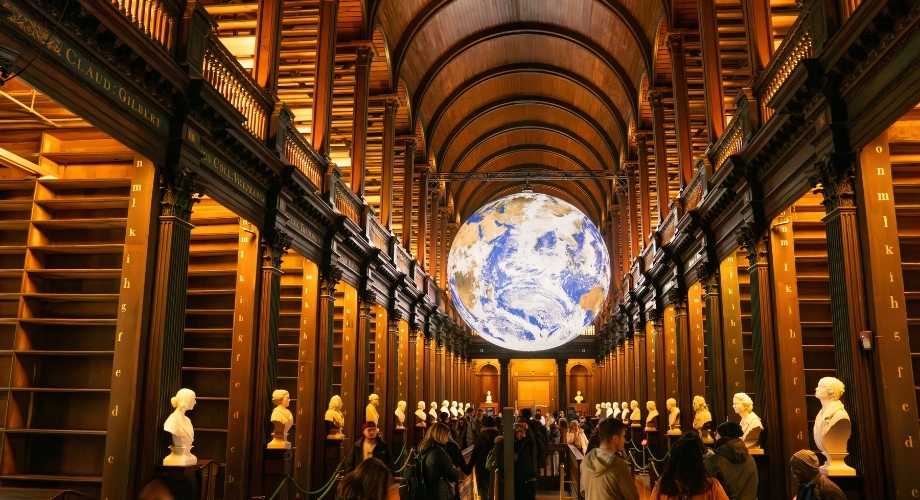
And while the city is used to literary pilgrims, a new wave of readers connects more with the messy, tender world of young adulthood than with Bloom’s wandering monologue, giving the tradition of literary trips a distinctly modern twist. In Sally Rooney’s Normal People, the emotional pull is in the hidden corners, charged silences and grand courtyards of the Trinity College. Meanwhile, the cafés, Georgian squares and rain-slicked streets give visitors that familiar Rooney mood.
Staying at the sophisticated Anantara The Marker Dublin puts you right in the Grand Canal Dock neighbourhood, just a short walk from the places that inspired her world.
UK: where royals, rakes and romantics roam
From Dickensian heroes to Connan Doyle’s antiheroes, London has never been short on literary swagger, but a new wave of BookTok favourites has given the capital a fresh sheen. The city that once launched Bloomsbury thinkers is now the backdrop for modern courtship, political fantasy and Regency‑era escapism.
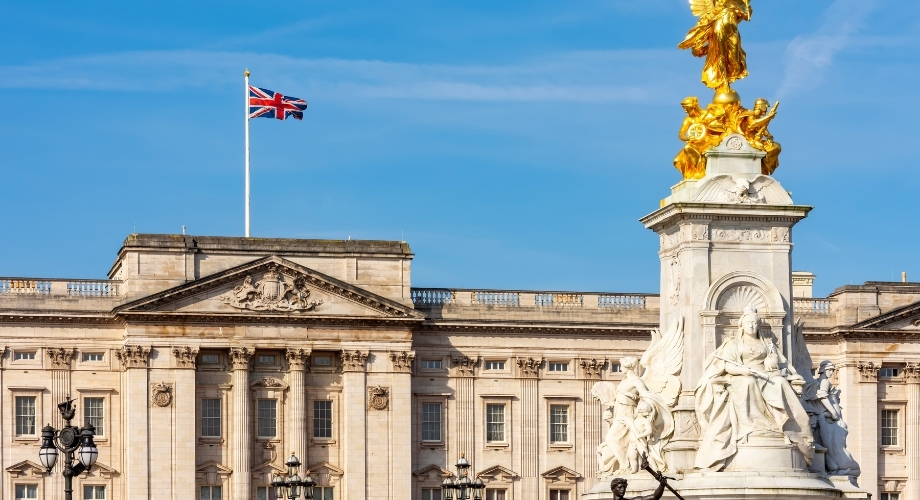
Recent hits have played no small part. The film adaptation of Casey McQuiston’s Red, White & Royal Blue, a darling of TikTok’s reading lists, threads its way through London’s polished streets and the grand interiors that stand in for royal residences, offering readers a contemporary fairy tale with a distinctly London accent. Meanwhile, the Bridgerton phenomenon, a Netflix blockbuster with a gossipy society paper at its heart, has coaxed a younger generation into rediscovering the city’s Regency past, from elegant squares to sweeping terraces that feel tailor-made for encounters with a modern-day Duke.
nhow London, perched between Hoxton and Islington, channels the city’s rebellious, creative streak with a playful wink. Its bold interiors and design‑led personality make it an apt base for exploring both the West End haunts that colour Red, White & Royal Blue. With the Tube just minutes away, theatres, galleries and leafy literary streets are all within easy reach, offering a gateway to the best of literary London.
Italy: the sun-drenched romance of Call Me By Your Name
André Aciman’s Call Me By Your Name has a visual language made for TikTok: peaches ripening in orchards, bicycles gliding through sleepy towns, and the effortless summer dressing immortalised by the film adaptation, with its parade of starched oxfords, faded polos and well‑worn espadrilles.
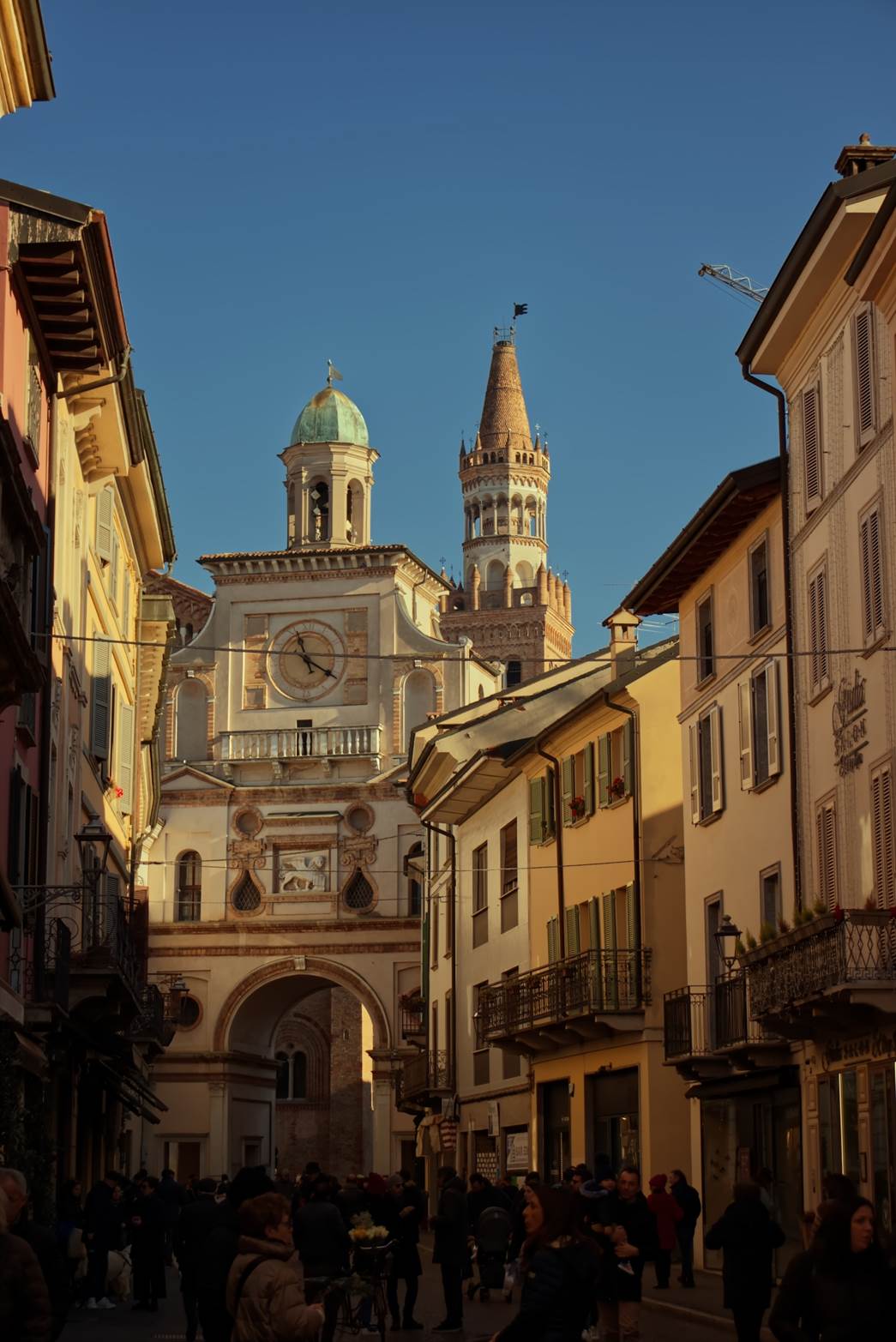
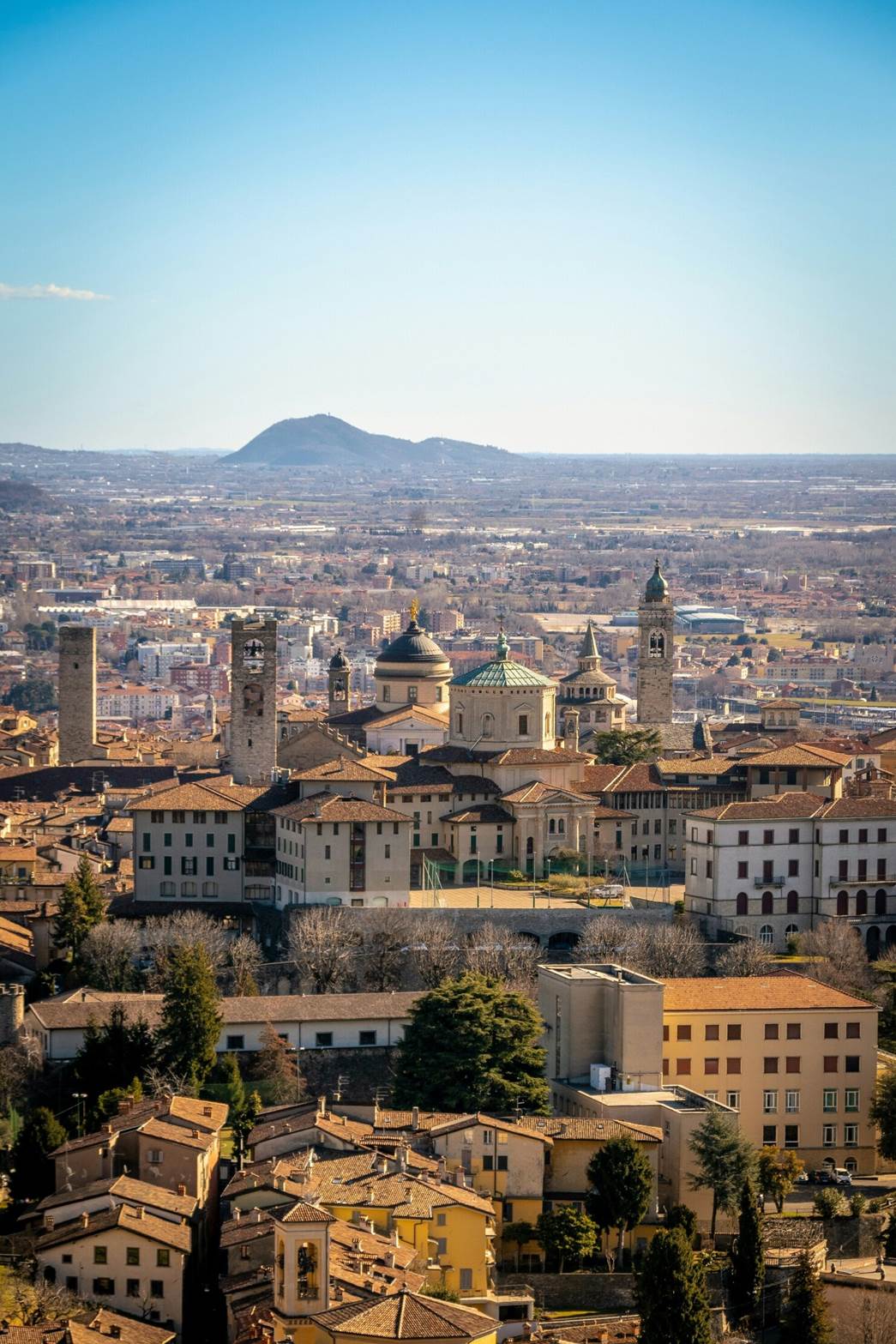
The book’s famously vague setting (somewhere in Northern Italy) has only heightened its allure, sending readers and film devotees in search of the landscapes that shaped Elio and Oliver’s brief, brilliant summer. The regions around Milan, Crema and Bergamo, with their lived‑in villas, shaded riverbanks and sun‑drenched piazzas, have become inseparable from the novel’s emotional geography.
The film adaptation, shot in Crema, Moscazzano and Bergamo, further cemented the area’s appeal. Locations such as Villa Albergoni in Moscazzano and Crema’s Piazza del Duomo have become touchpoints for fans tracing the story’s path.
For an elegant gateway into this corner of Lombardy, explore Minor Hotels' accommodations in Milan and Bergamo, each placing you within easy reach of the villas, gardens and cobbled squares that feel as though they’ve been lifted straight from the page.
Toronto: cold rinks and hot rivalries
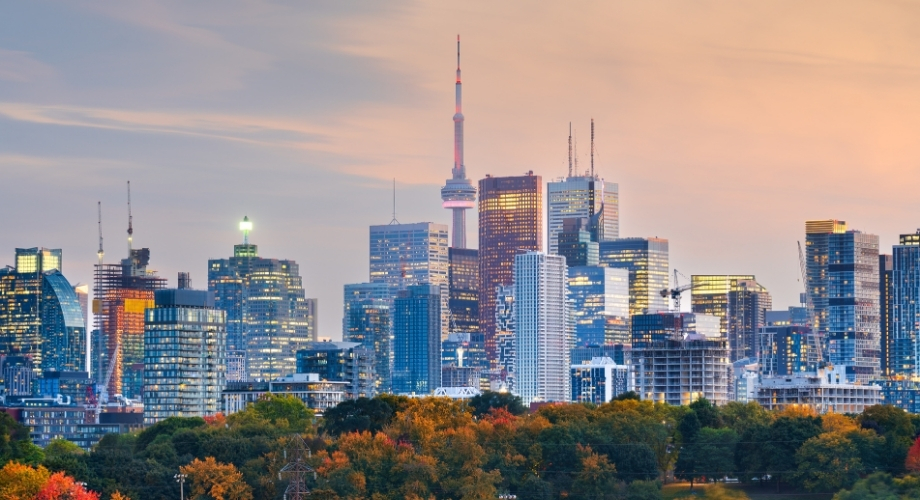
Toronto has always been a hockey town, but Rachel Reid’s Heated Rivalry has given the city a new cultural calling card: the sports‑romance pilgrimage. For readers who discovered the book through BookTok’s thriving sports‑romance corner, Toronto and its surrounding Ontario landscapes have become settings to step into.
The novel and the wider Game Changers series skates through recognisable parts of the city. Scotiabank Arena, home of the Toronto Maple Leafs, draws even the sport-indifferent, who come to trace the emotional highs and lows of Shane and Ilya’s rivalry‑turned‑romance. Downtown Toronto, with its glass towers, PATH walkways and harbourfront promenades, mirrors the book’s blend of intensity and introspection.
Neighbourhoods like King West and the Distillery District offer atmospheric cafés, converted warehouses and late‑night haunts that feel perfectly suited to off‑ice conversations and to a “cool Toronto” itinerary. Beyond the city, the series’ road‑trip moments lead to Ontario’s smaller hockey towns, where community rinks and winter landscapes give the story its distinctly Canadian texture.
This is literary travel with a modern pulse: less dusty libraries and haunted moors, more bright arenas, adrenaline and city lights.
Literary destinations that never go out of style
Some destinations, long associated with literary heavyweights like War and Peace, Romeo and Juliet and Moby-Dick, have been drawing readers for centuries. Their pull is only growing, as long‑time admirers return to the settings of novels they loved in their youth and new generations discover the classics through TikTok’s algorithmic nudges.
Verona: Shakespeare’s eternal stage
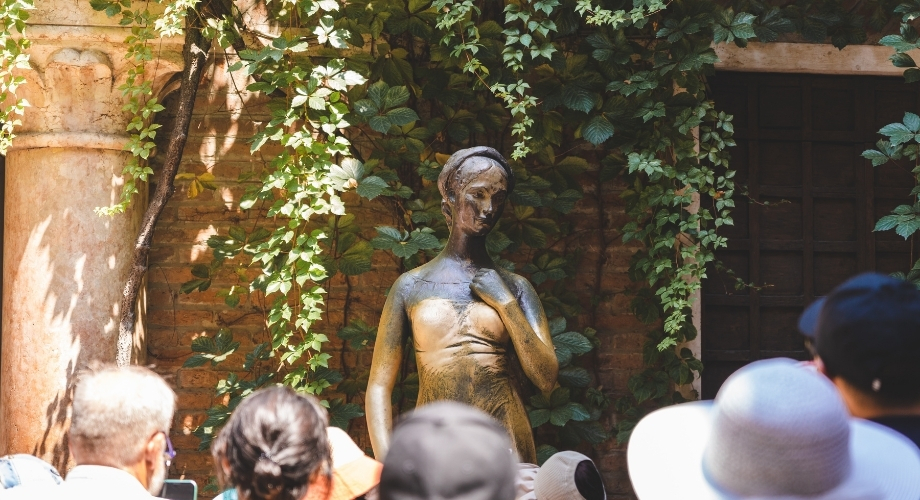
Verona has long been a favourite for anyone with a soft spot for romance. As the setting of Romeo and Juliet, the city’s most famous balcony has become a go‑to spot for photos, love notes and the occasional proposal. But if you’d rather skip the crowds around Juliet’s House, the surrounding cobblestone streets are equally Shakespearean in character thanks to their medieval courtyards and lively piazzas.
In the middle of it all is the 14th‑century NH Collection Palazzo Verona. Juliet’s House and the atmospheric Piazza delle Erbe are steps away, while right around the corner is a cosy independent bookstore Pagina Dodici, which is perfect for browsing before settling into a nearby café with a fresh copy of Shakespeare.
Whether you’re tracing the imagined footsteps of the star‑crossed lovers or simply soaking in Verona’s honey‑coloured light, the city is full of peaceful corners where you can open your book and disappear into one of literature’s most enduring love stories.
Transylvania: gothic shadows and Stoker’s legacy
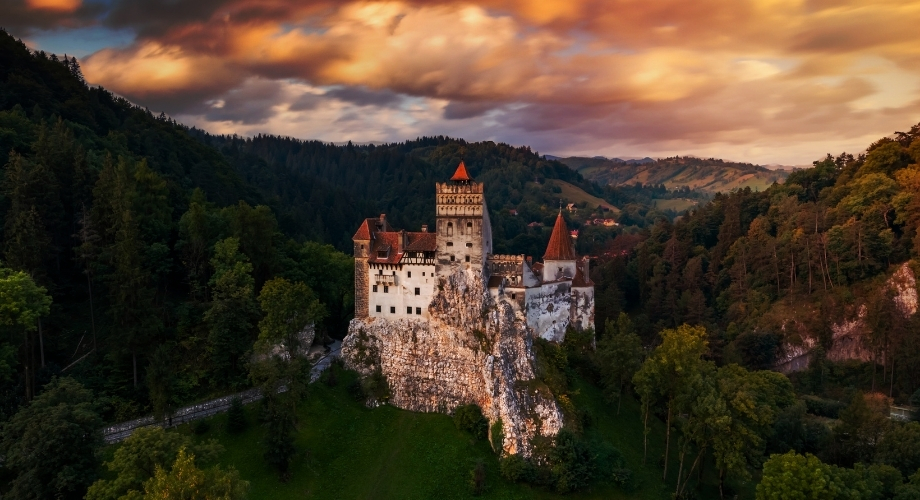
Long before the rise of the “dark academia” aesthetic with its love of gothic architecture, tweed and brooding literary atmospheres, Bram Stoker’s Dracula was drawing travellers to the rugged beauty of Transylvania, the historic region in central Romania. For those who relish destinations with a slightly unsettling edge, the Carpathian Mountains, rising like a natural fortress around the region, feel uncannily like stepping into the novel’s imagined landscape.
Bran Castle, often linked to the Dracula myth despite Stoker never having set foot in Romania, remains the starting point for most literary trips. Perched on a cliff and wrapped in centuries of legend, it’s an excellent introduction to the region’s darker lore.
But Transylvania offers far more than a single castle: fortified churches such as Prejmer and Hărman, mist‑shrouded forests, medieval citadels like Râșnov, and the cobbled streets of Brașov and Sighișoara create a landscape tailor‑made for readers drawn to the macabre and the mysterious.
With disbelief suitably suspended, it’s easy to imagine Wednesday Addams and the rest of the clan feeling perfectly at home here.
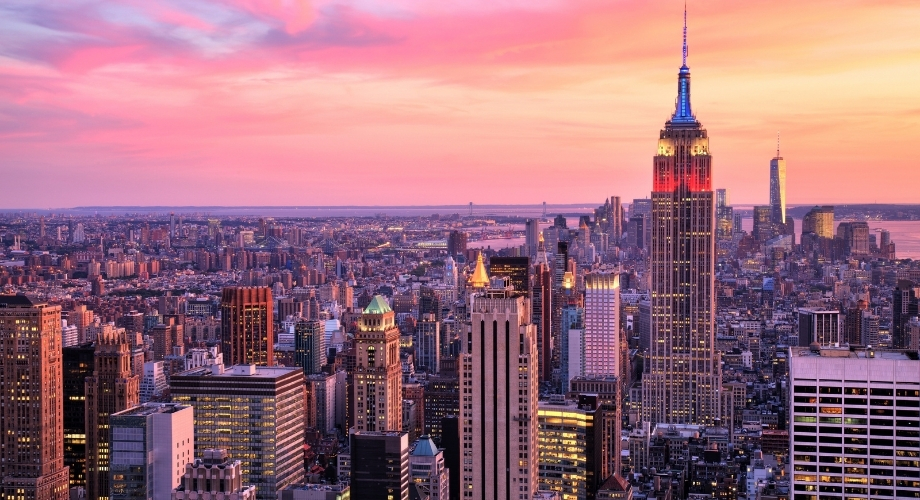
New York City: where stories never sleep
Few cities have been written about as obsessively as New York. From the jazz‑age opulence of The Great Gatsby to the sharp, intimate modernity of Raven Leilani’s Luster, the city has long served as both muse and protagonist. Recent novels show how contemporary writers continue to reinterpret the metropolis at street level.
Midtown, with its canyons of glass and stone, remains the beating heart of this literary mythology. NH Collection New York Madison Avenue echoes the sophisticated energy of the city’s most storied eras.
No self‑respecting bookworm can leave New York City without paying respects to the New York Public Library, whose marble halls house treasures such as a Gutenberg Bible and Charles Dickens’s own writing desk. Should you wish to channel your inner Hemingway instead, the speakeasy‑tinged corners of the Village are within easy reach from the hotel.
Prague: a city of metamorphosis
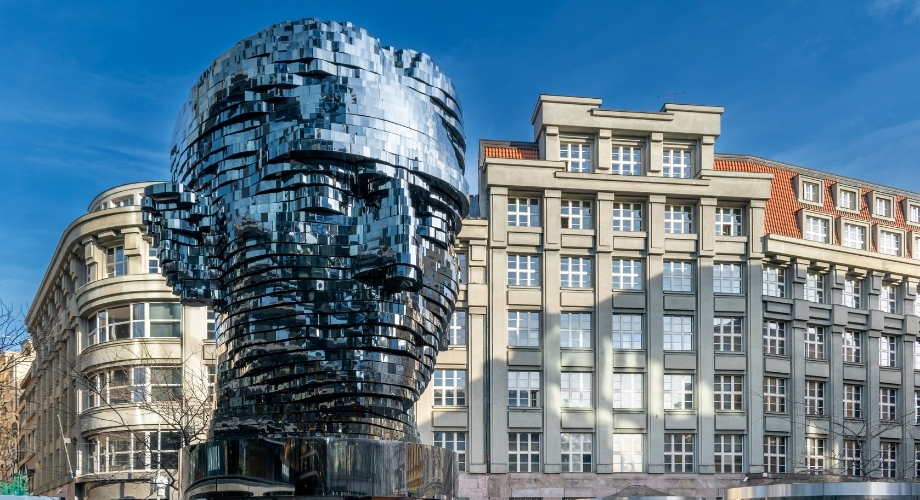
Kafka’s rotating head, a kinetic sculpture by David Černý in central Prague, feels like a perfect emblem for a city whose most famous literary son has become shorthand for the absurd, the bureaucratic and the strange. Prague is also the backdrop to Milan Kundera’s The Unbearable Lightness of Being, which only deepens the city’s connection to both travel and literature.
Fans of Kafka could easily spend days exploring the Franz Kafka Museum on the banks of the Vltava, which traces the author’s inner world through manuscripts, photographs and immersive installations, or the Kafka House on Old Town Square that marks the site of his birth. Nearby, the Jewish Quarter, with its synagogues and narrow lanes, offers insights into Kafka’s imagination.
For Kundera readers, the Charles University Faculty of Arts and the surrounding streets of Malá Strana echo the intellectual and political tensions that animate The Unbearable Lightness of Being, offering a sense of the city as both muse and battleground.
With a bit of planning, your own experience in Prague will be seamless rather than Kafkaesque. Stay at the NH Collection Prague Carlo IV, housed in a grand neo‑Renaissance palace, where historic gravitas meet contemporary comforts such as a spa and indoor pool.
Paris: the world’s literary salon
From Victor Hugo’s Les Misérables to Hemingway’s A Moveable Feast, Paris has shaped generations of writers who, in turn, shaped global culture. Any aspiring writer worth their salt, if the likes of Hemingway and even Carrie Bradshaw are to be believed, dreams of an attic apartment with a view of zinc rooftops and a café downstairs that doubles as an office.
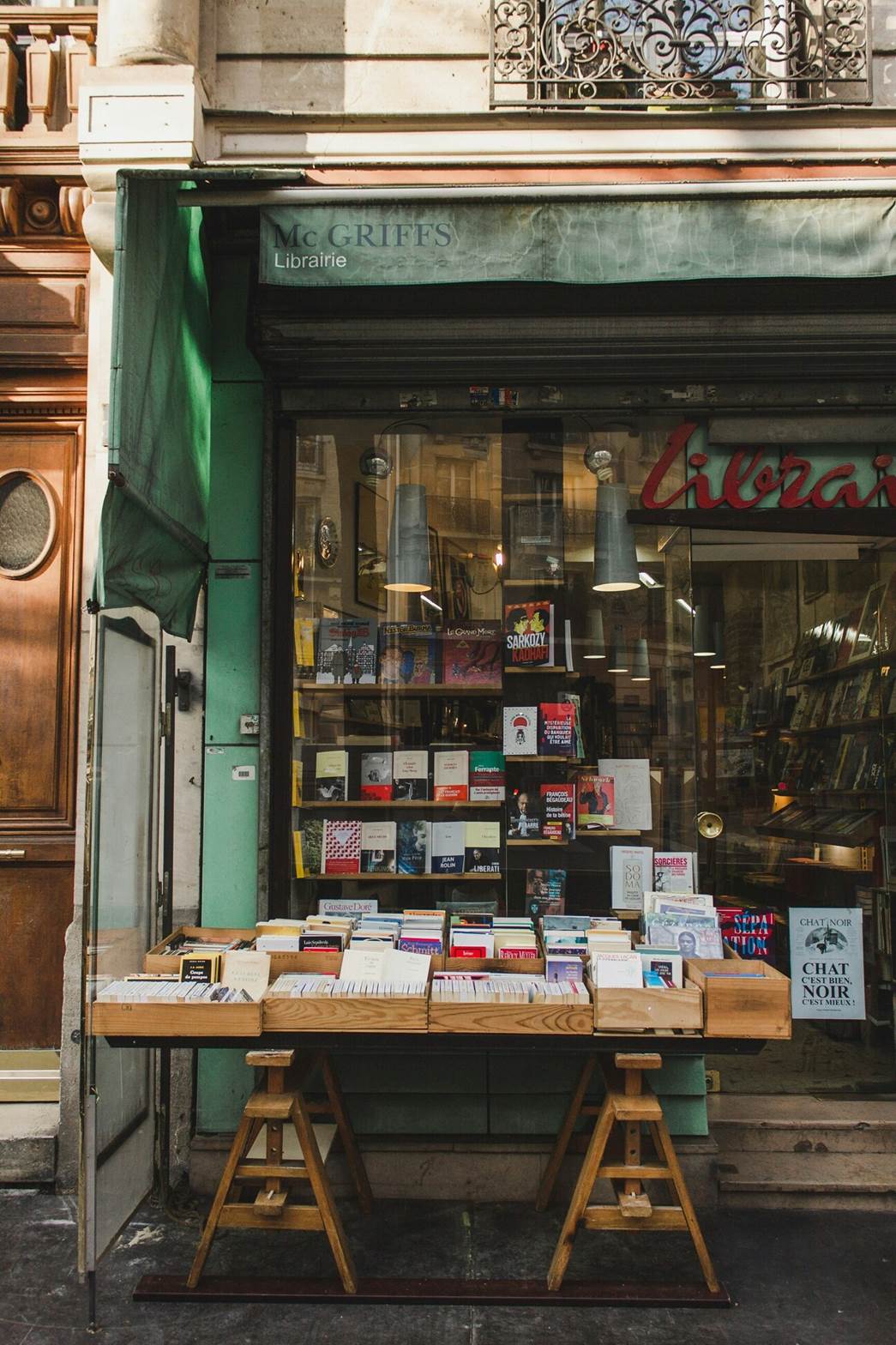
It’s also the perfect city for BookTok’s love of beautiful, physical books: reading a vintage French classic in a Marais café feels almost like a rite of passage. Stay centrally at NH Paris Opéra Faubourg or NH Collection Paris Ponthieu Champs‑Élysées, as you’ll be doing plenty of walking.
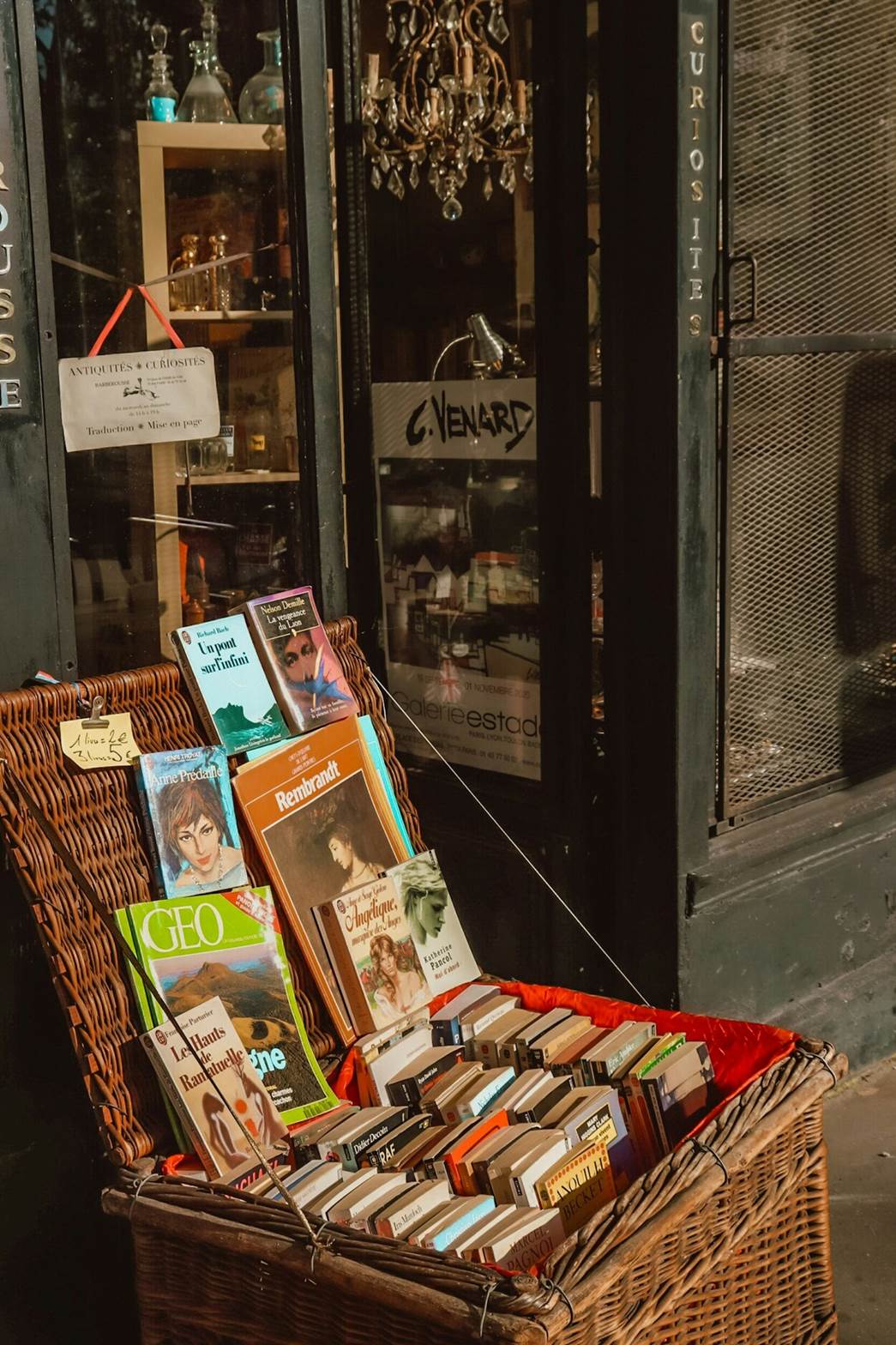
Paris is full of places where its literary past still feels alive. Start with the bouquinistes along the Seine, the iconic green bookstalls that have lined the river for centuries and are still a treasure trove of second‑hand finds, from vintage French paperbacks to rare editions.
For English‑language finds, head to Librairie Galignani on Rue de Rivoli, one of Europe’s oldest English‑language bookshops known for its elegant wood‑panelled interior and impeccable curation. For more affordable, serendipitous discoveries, duck into the famous Shakespeare and Company in the Latin Quarter, an independent, English-language bookshop that has been a meeting place for writers and readers in Paris for more than seventy years, since it opened in 1951.
Then make your way to Place des Vosges to explore Maison de Victor Hugo, the author’s former apartment turned museum, where ornate rooms offer a glimpse into his creative world. Or continue to Musée de la Vie Romantique in Montmartre, a dreamy villa‑museum with an entire floor dedicated to George Sand, complete with manuscripts, jewellery and stories of her influential circle.
Social media and the revival of classic literary travel
TikTok’s ability to make destinations once dismissed as overly academic feel fresh and accessible has become a boon for readers, writers and cities alike. Fans of popular TikTok books film themselves finishing hefty volumes in a day, annotating margins with gusto and sharing emotional reactions in real time. Authors and their estates enjoy renewed sales, while cities like Dublin and Prague benefit from a high‑energy, democratic culture around literary travel, a trend now powerful enough to influence real‑world tourism patterns.
A well‑chosen book has always been a passport of sorts, but today’s readers are turning stories into itineraries with fresh enthusiasm. Whether you’re chasing Regency romance, gothic shadows or sun‑drenched Italian summers, literary trips now feed both passions at once: the love of a good book and the thrill of travel.




.jpg?mw=1920&hash=5A21D919E3E252FB795B312A86775328)